A Closer Look at Ongoing Tensions in the Middle East
The situation in the Middle East has recently drawn continued international attention, with conflicts and standoffs persisting. The region's security situation remains complex and volatile, and various developments are raising concerns about peace and stability. As a crucial region for global energy supply and geopolitical structure, any changes in the Middle East will have a ripple effect on regional security, international energy markets, and the global economic order. Currently, the conflict continues, with all parties maintaining a hardline stance and no clear signs of de-escalation. The regional situation remains highly sensitive.
Current Conflict Hotspots: Gaza, Syria, and the Red Sea
Gaza Strip: The Fragility of the Ceasefire Agreement
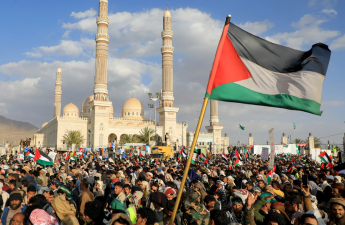
As of early 2025, ceasefire negotiations in the Gaza Strip have failed to achieve a breakthrough. Although Hamas has hinted at allowing Israeli troops to remain during the ceasefire, strong opposition from right-wing Israeli parties to the release of key Palestinian figures has led to a stalemate in negotiations. The humanitarian crisis in Gaza continues to worsen, and Israel's military operations have already resulted in over 150,000 casualties. The regional situation could escalate again at any time if negotiations break down.
Syria: Power Vacuum and Risk of Conflict
With the fall of the Assad regime, Syria has descended into a new power struggle. The Turkish-backed Syrian National Army and the US-backed Kurdish forces are locked in a standoff in the north, while Israel has seized the opportunity to occupy southwestern Syria's border region, attempting to establish a buffer zone. Internal conflicts within Syria—between Arabs and Kurds, and between secular and conservative factions—make the prospect of national unification seem bleak.
Red Sea Crisis: Houthi Rebellion and Shipping Security
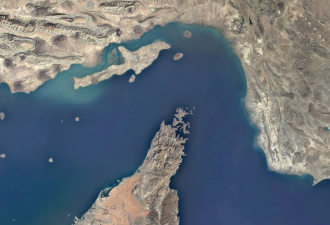
While the Houthi attacks in the Red Sea have temporarily ceased due to a ceasefire agreement, the agreement's fragility has led shipping companies to continue detouring around the southern tip of Africa. The Houthi missile and drone threats not only affect global shipping but also exacerbate regional tensions.
Multifaceted Impacts of Continued Tension
The situation in the Middle East not only affects the region itself but also has multiple impacts on the world, primarily in the following aspects.
Increased Risk of Energy Market Volatility
The Middle East accounts for a significant portion of global energy supply. Tensions in the region will directly impact market expectations, potentially leading to energy price volatility and increasing uncertainty in global energy supply.
Impact on International Trade and Shipping
Increased security concerns regarding regional shipping lanes and trade routes may affect transportation costs, insurance costs, and logistics efficiency, thereby impacting global trade order.
Increased Pressure on Regional Economic Recovery
Continued conflict will impact the investment environment, production activities, and business exchanges. Regional countries will face greater pressure on economic development, livelihoods, and employment stability.
Reshaping of the Regional Security Landscape
Persistent tensions will alter regional security relations, increasing the difficulty of cooperation and coordination between countries and raising the possibility of security risks spilling over, which will also have some impact on surrounding areas.
Indirect Impact on Global Economic Stability
Fluctuations in any link of the energy, trade, or supply chain will transmit to the global economy, increasing uncertainty in areas such as inflation, employment, and market confidence.
Great Power Rivalry: The US, Russia, and Regional Powers
The Role of the United States: Trump's "Anti-Iran Front"
The Trump administration's Middle East policy centered on containing Iran, including increased sanctions and tacit approval of Israeli attacks on Iranian nuclear facilities. The US also pushed for the normalization of relations between Gulf states and Israel, attempting to consolidate Israel's existing advantages. However, Arab countries remained cautious about US policies, avoiding involvement in the conflict.
Russia's Withdrawal and Turkey's Expansion
After Russia's withdrawal from Syria, Turkey quickly filled the power vacuum, supporting the Syrian National Army and attacking Kurdish forces. Turkey's expansion exacerbated tensions with Arab countries, particularly Saudi Arabia.
Iran's Predicament and Israel's Offensive
Iran's influence has declined significantly due to internal political changes and external sanctions. Israel has seized this opportunity to advance its attacks on three fronts—Syria, Yemen, and Iran—attempting to reshape the Middle East landscape.
Conclusion
The Middle East situation is complex and sensitive, attracting global attention. The current regional tensions persist, with significant differences among the parties involved, making short-term easing difficult and leaving considerable uncertainty for the future.
The international community generally hopes for de-escalation, calls for peaceful dialogue, and opposes escalation of conflict. Regardless of how the situation evolves, peace, stability, and security remain the choices that best serve the common interests of the region and the world.
The world needs stability, and people need peace. May the regional situation ease soon, may dialogue replace confrontation, may peace arrive soon, and may all ordinary people live peaceful and stable lives, free from conflict.